
artigo ·Industry·Food
Circularity in the fertilizer chain: challenges and opportunities
Mario Fernando Porto, of Petrobras, points to ways of bringing the Circular Economy into fertilizer production, from urban waste turned into green hydrogen to fertilizer that goes further in the soil.
Mario Fernando Porto, Petrobras· · 3 min de leitura
*By Mario Fernando Porto, Petrobras
Food production, broadly speaking, has applied circularity concepts for a long time, even when the concept itself was not clearly defined. Do you happen to know someone who composts household organic waste, or someone with a small farm who uses manure as fertilizer? If the answer is yes, then the concepts of circularity and of the Circular Economy are present in these examples. But this kind of reuse / recycling works for small-scale production.
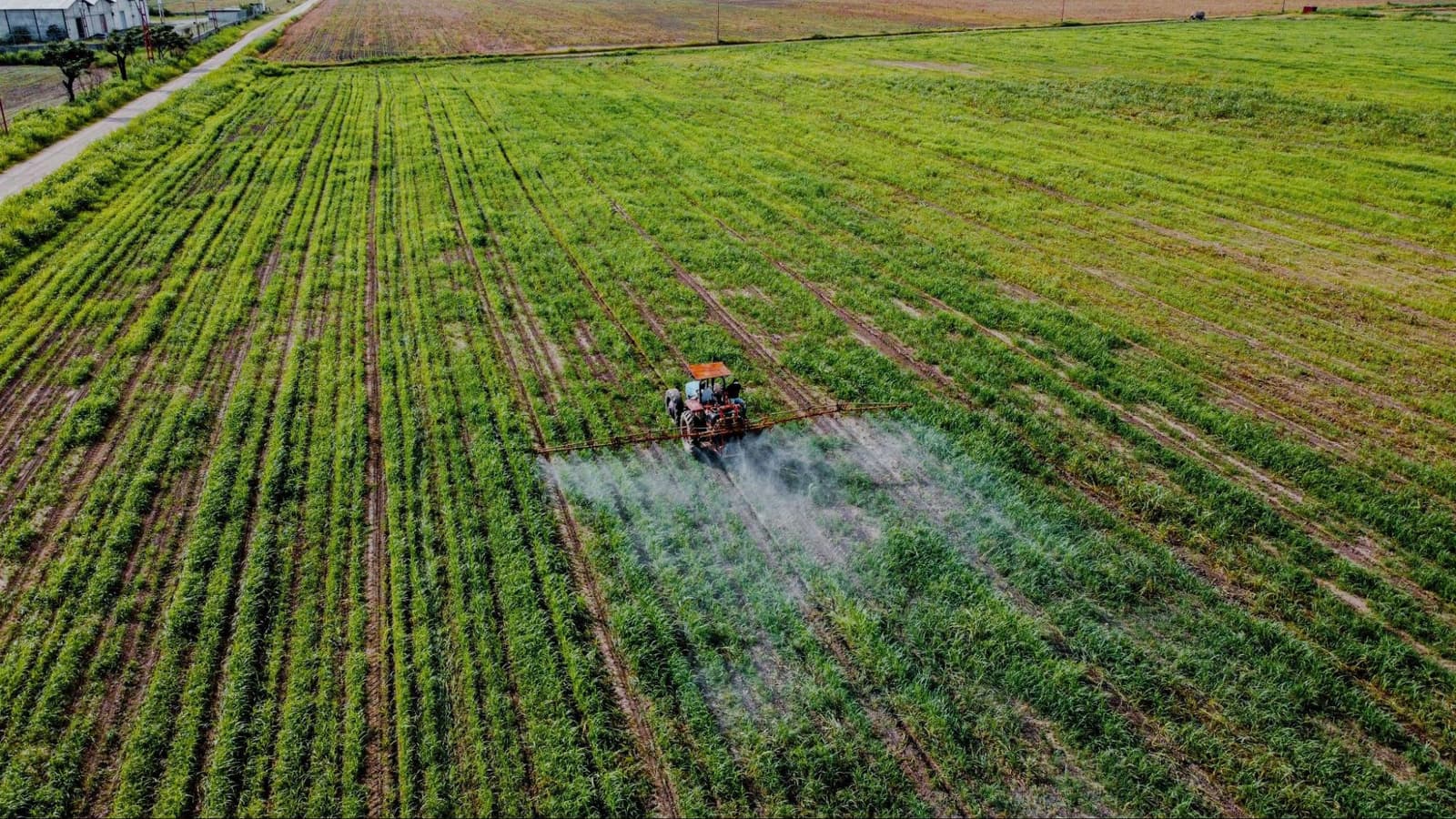
When we talk about large cultivated areas, many of them monocultures such as soybeans, corn and coffee, among others, fertilization solutions need to be larger in scale and more robust. This is where micro- and macronutrients are normally used, along with the so-called NPK fertilizers (nitrogen, phosphorus and potassium). These compounds are the most widely used fertilizers in Brazil and around the world.
NPK consumption in Brazil grew at an annual rate of almost 4% between 1977 and 2023. Okay, fine. So what is the problem? The problem is that these compounds are, as a rule, produced from non-renewable raw materials (natural gas, phosphate rock and potash rock). These raw materials go through complex chemical transformations to become useful fertilizers, in processes that are intensive in energy and water.
As the world population grows, so does the need for food, and the amount of fertilizer required grows proportionally. If the production process does not evolve from a sustainability standpoint, it is quite likely that at some point it will cause more harm than good to humanity.
New paths for fertilizer production
The Plano Nacional de Fertilizantes 2050 (PNF 2050, Brazil's National Fertilizer Plan) introduces the concept of circularity for large-scale agricultural production in one of its guidelines: “To develop models for the full adherence of Brazil's plant nutrition industry to ESG parameters, and thereby encourage broad uptake of sustainable practices in agriculture, with the adoption of Circular Economy concepts and access to the carbon market” (translated from Portuguese).
So the challenge has been set! How do we rise to it and seize the opportunities this new model will bring? The first step, without a doubt, is to increase the efficiency of fertilizer production units, whether by adopting new technologies or through incremental leaps in reducing and reusing important inputs, such as water.
The use of alternative raw materials can advance Circular Economy concepts while also reducing the carbon footprint of production processes. Remember composting household waste? What if we did that on a large scale? Instead of sending it to landfills, household waste can be used to generate electricity (a technology other countries have used for more than 30 years), which in turn can be used to produce green hydrogen. That green hydrogen can, for example, be used to manufacture urea, producing ammonia and urea with a very low carbon footprint, contributing not only to the recycling and economic reuse of waste, but also to lowering carbon emissions across the food production chain as a whole.
Many other raw materials besides waste are emerging as possible sources to make the fertilizer industry more sustainable. Among them are ethanol, biomass in general, vegetable oils and others.
Another line of work that has been widely studied is increasing the efficiency of fertilizers once they are applied to the soil. Even today, much of what is used to fertilize large crops is lost through leaching or other processes, generating waste and unnecessary costs along the production chain. Investment in technologies to develop slow-release fertilizers, or more effective fertilizers that require a smaller quantity per hectare, is also at the forefront of research.
Given the scale of fertilizer use, there are many challenges to implementing more sustainable ways of producing and using them. The main ones are economic (the high cost of new technologies), logistical and infrastructural.
In short, the fertilizer industry, especially in an agricultural powerhouse like Brazil, needs to pay close attention to Circular Economy concepts, not only in pursuit of more sustainable production processes and more efficient fertilizers, but ultimately in pursuit of greater competitiveness in a world where environmental issues are increasingly evident and urgent.
The information and opinions presented in this publication are the responsibility of the author and do not necessarily reflect the institutional position of the Circular Movement.
*Chemical engineer with a master's degree in Chemistry, in the field of polymer physical chemistry, an MBA in Business Management from FGV and an Executive MBA from Fundação Dom Cabral. Spent 26 years in the oil refining sector, focusing on process optimization and increased profitability. Currently works in fertilizer production, with a special interest in developing new production processes and identifying opportunities to optimize existing ones.
*This text was automatically translated with the help of artificial intelligence and reviewed. Still, there may be slight differences compared to the original version in Portuguese.
This content stays open because many people support it.
The Círculo do Movimento brings together those who give every month, from R$ 17.
Cancel whenever you want, in one click.
citar este artigo
MARIO FERNANDO PORTO, PETROBRAS. Circularity in the fertilizer chain: challenges and opportunities. Movimento Circular, October 23, 2026. Available at: https://movimentocircular.io/en/blog/circularity-in-the-fertilizer-chain-challenges-and-opportunities.
Your organization already has a circular agenda. What is its next step?
See how to take part