
Series · Season one
Is the circular economy good business?
A Movimento Circular series on business, innovation and the opportunities the circular economy is already creating.
How does the circular economy turn into value in practice? In this series, experts from different sectors share perspectives and experience that show how rethinking production, consumption and business models opens paths to innovate, tackle challenges and create new opportunities.
Season one
Across six episodes, we bring together voices living this transformation to explore different dimensions of circularity: from mobility to fashion, from reverse logistics to the direction of the economy. A conversation about what is already changing and what we can still transform.
Available now 2
-

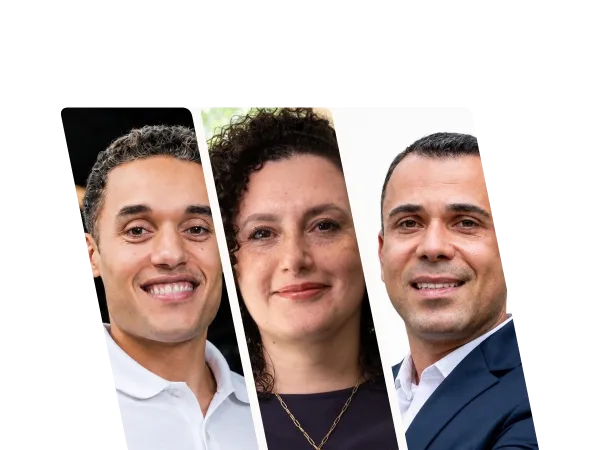
Episode 1 Out now
Circular Mobility
How can mobility become more circular?
Adriano Barros of Stellantis, Arthur Rufino of Octa and Ingrid Marques of Volkswagen Caminhões e Ônibus discuss ways to transform the sector and rethink the relationship between vehicles, resources and business models.
Watch episode 1, opens YouTube in a new tabWho takes part and what was said
Who takes part
- Adriano Barros, Stellantis
- Arthur Rufino, Octa
- Ingrid Marques, Volkswagen Caminhões e Ônibus
What was said
Arthur Rufino, Octa: It’s a market where the end-of-life product has value, and even so, for many years it was undervalued. If you start paying attention to what’s around you, there are many kinds of assets being forgotten, and people simply aren’t looking at them as a business opportunity. Think of trains, of building materials: there are many sectors where this is barely considered. Once you take on the view that it’s possible to make money from this, you not only create a business opportunity, you also start solving a big problem for society, which is the disposal of things that should be going back into circulation. An excellent business: look at vehicle dismantlers. It’s a market with very high profitability. We’re talking about 30% profit in a business that can exceed 100, 200, 500 million.
Ingrid Marques, Volkswagen Caminhões e Ônibus: Circularity adds value when we maximize the value of the product throughout its entire use. Since it will stay on the market for so long, we need to think about this product’s durability and repairability. We can add value by keeping this truck in use for longer, in a way that is economically viable and sustainable.
Adriano Barros, Stellantis: It’s the cycle of circularity within the automotive sector, bringing environmental benefits, reducing CO2 emissions and removing this scrap that is often contaminating the soil and creating dengue breeding grounds, while still giving people access to a part with traceability and a warranty. And there is also the social aspect: giving these people access to a part with all these qualities, at 50% to 60% less than a new part.
Transcribed from YouTube’s automatic captions, edited only for reading and translated from Portuguese.
-
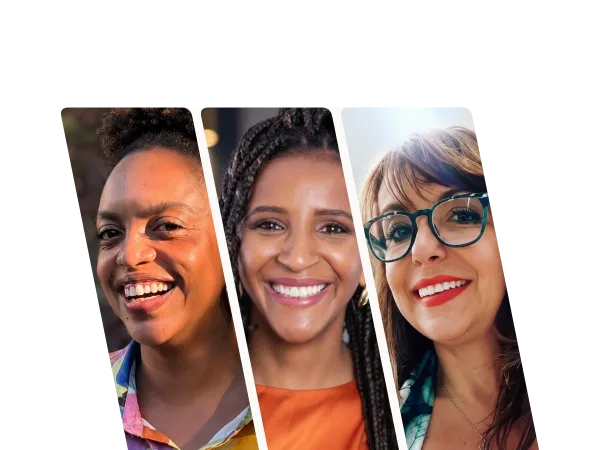
Episode 2 Now playing
Fashion Culture
What if circularity also changed the way we create, produce and consume fashion?
Andrezza Cruz of Farm Rio, Ariane Santos of Badu Design and Larissa Botter Ortiz of Biographia and Elle Brasil bring different perspectives on the challenges and possibilities of building a more circular fashion industry.
Watch episode 2, opens YouTube in a new tabWho takes part and what was said
Who takes part
- Andrezza Cruz, Farm Rio
- Ariane Santos, Badu Design
- Larissa Botter Ortiz, Biographia and Elle Brasil
What was said
Larissa Botter Ortiz, Biographia and Elle Brasil: When I say that the fashion industry is the second-largest polluter after the oil companies, that alone shows we have important work to do. If I consider that, of the waste from the textile industry itself, only 1% is reused, we have a problem: this waste will stay in the environment.
Ariane Santos, Badu Design: The circular economy is an excellent business, because we’re talking about something that puts an end to waste. Billions are wasted in the economy, and we can turn that into added value to solve other issues. And it’s also great business because there’s nothing better than taking what’s already there and turning it into something that still creates jobs, moves the economy, truly changes the cultural side of our country as well and gives us new opportunities for quality of life. What we’ve been seeing with the climate emergencies is that other challenges keep arriving. So we have a whole range of opportunities for services and actions for anyone who can start a business and transform this chaos we’re living through today, with the issues that already come from waste and other materials. The circular economy has this brilliance of being able to transform things with solutions that are practical, effective and still profitable.
Andrezza Cruz, Farm Rio: It’s definitely good business and, beyond being good business, it’s necessary. We’re living in a context where not talking about the circular economy isn’t even a possibility. We’re in the midst of a huge climate emergency, and discussing the circular economy is extremely necessary to secure the future of the world we live in today. I think we have a lot to do, starting with how the product is built, thinking about 3D modeling, so we can optimize this creative process and our impacts on the environment. And also how we think about using lower-impact raw materials, and how we think about the end of this product’s life, so that it becomes something else.
Transcribed from YouTube’s automatic captions, edited only for reading and translated from Portuguese.
Upcoming episodes 4
-
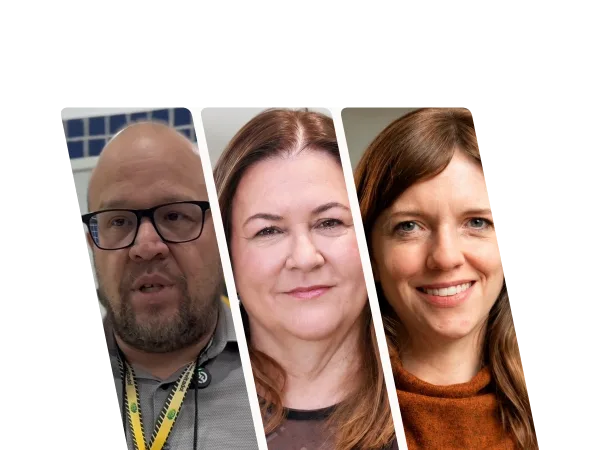 Premieres on November 16
Episode 3 Coming soon
Reverse Logistics
What needs to happen for materials to return to the production cycle?
Fabiano Souza of Loga/Solví, Gina Marques of EAF and Patrícia Byington of Novo Nordisk discuss the role of reverse logistics in building circular solutions and the challenges of making these systems work.
-
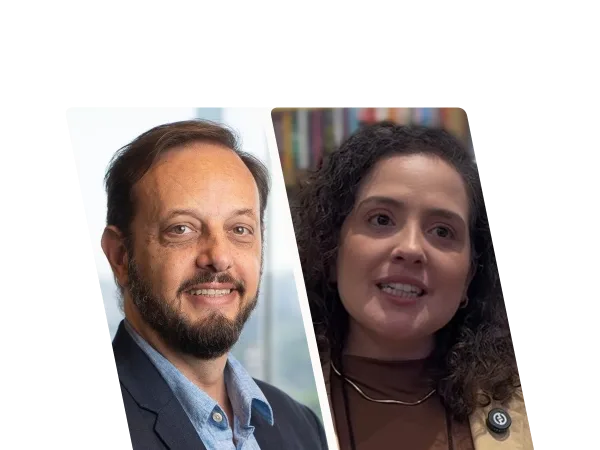 Premieres on November 30
Episode 4 Coming soon
New Business
What opportunities arise when we rethink the way we produce and consume?
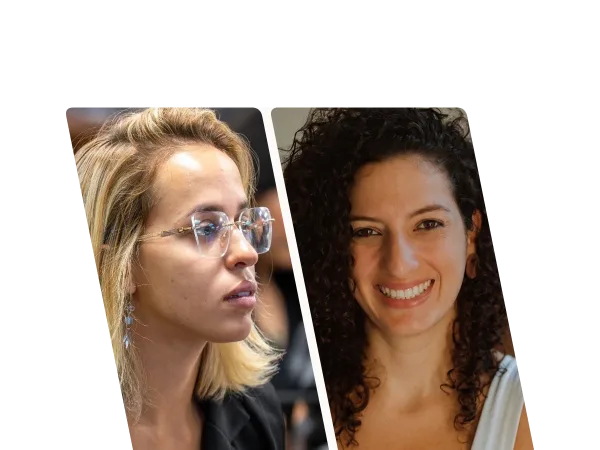
Flávio Ribeiro of Movimento Circular and Natália Proença of Magalu explore how the circular economy can inspire new business models and make room for other ways of creating value.
-
 Premieres on December 14
Episode 5 Coming soon
New Opportunities
Where are the opportunities to take circularity even further?
Larissa Malta of the Confederação Nacional da Indústria (CNI, Brazil’s national confederation of industry) and Marina Amorim of Movimento Circular discuss ways to turn challenges into possibilities and widen the place of the circular economy in organisations and in the economy.
-
 Premieres on December 28
Episode 6 Coming soon
Economic Agenda
How can the circular economy be placed at the centre of economic decisions?
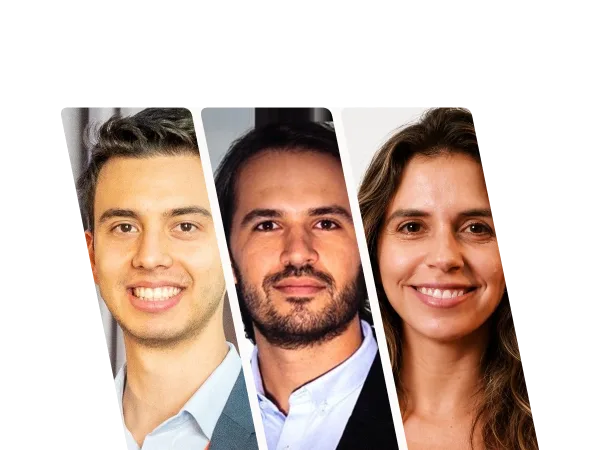
Fabiano Indicatti of Bosch, João Zeni of Electrolux and Tawana Miquelino of Global Canopy discuss the relationship between circularity, business strategy and the direction of an economy that needs to make better use of resources.
Does your organisation want to be part of this conversation too?
Movimento Circular connects businesses, governments, academia and organisations that are bringing the circular economy to the centre of business decisions.