
artigo ·Territory·Waste
From scraps to autonomy: when circularity transforms lives
Alinye Amorim tells how Fábrica de Ideias, in Pernambuco, Brazil, turns textile scraps into an income of their own for women seeking to break the cycle of domestic violence.
Alinye Amorim, Circular Movement· · 3 min de leitura
*By Alinye Amorim, Circular Movement
My work usually puts me in touch with numbers, impact reports and sustainability metrics. Yet it is real stories that constantly remind me of something I learned from dear Carioca, of Coopercaps, about the true purpose of the Circular Economy: giving new meaning not only to materials, but to human lives.
From waste to autonomy: the experience in Pernambuco
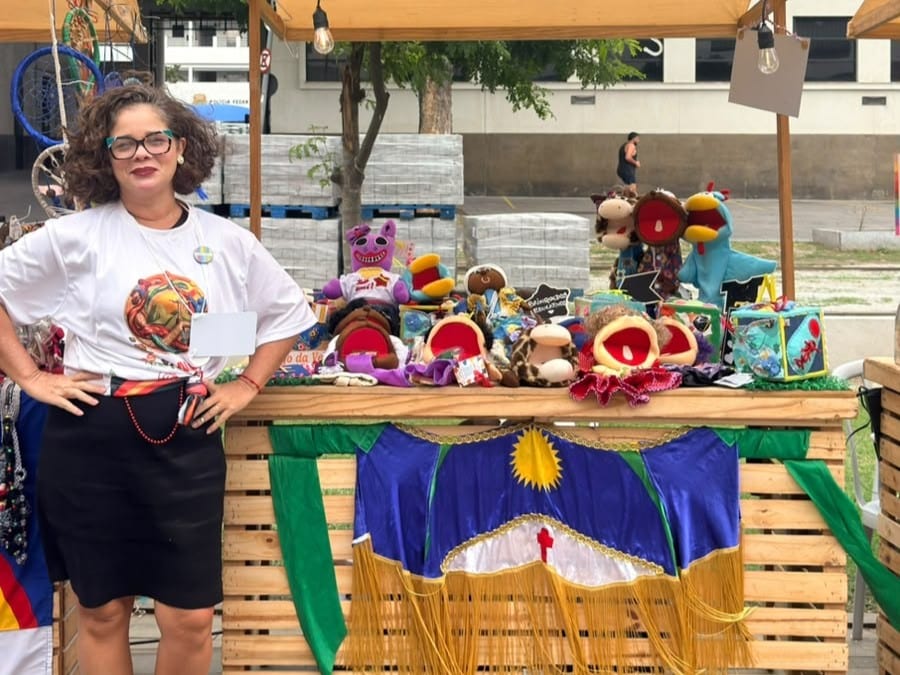
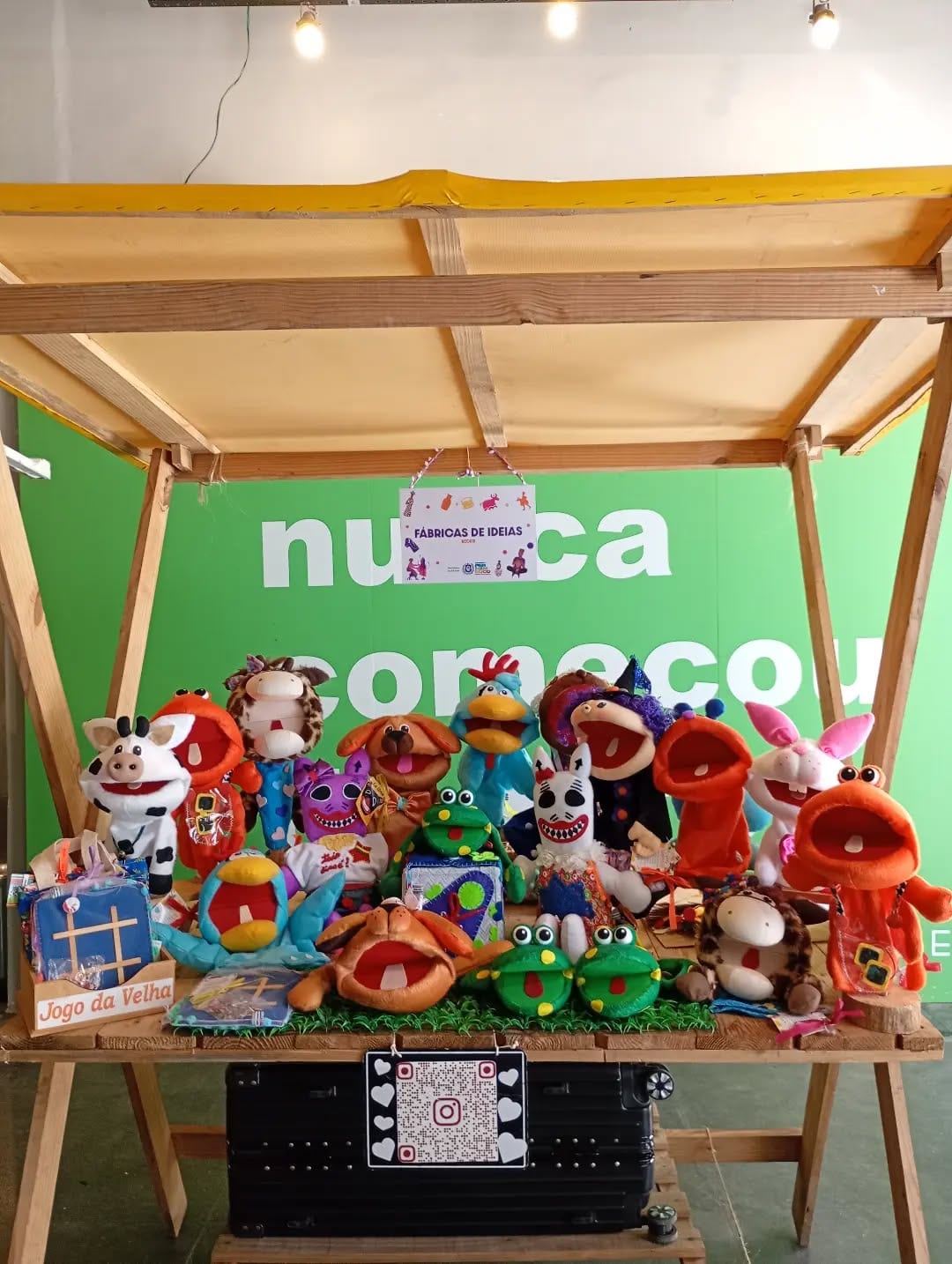
I had the privilege of getting to know the Fábrica de Ideias (Idea Factory) project in Pernambuco up close. The initiative welcomes women in vulnerable situations and survivors of domestic violence, using sustainable crafts and upcycling as bridges to emancipation.
In many cases, financial dependence is the main barrier that keeps a woman from breaking the cycle of violence. When crafts come into play using discarded materials such as textile scraps, that barrier begins to crumble. Zero-cost raw material eliminates the upfront production investment, making income generation fast and accessible. These women have no time to lose.
During my conversation with one of the project's leaders, one sentence in particular stayed with me and perfectly sums up the essence of this transformation:
“As women, we want to live in a more inclusive world! May women be able to live believing in themselves and in their craft”
Danielle Gomes, artisan, Fábrica de Ideias
The process goes far beyond turning scraps into home decor and fashion items:
- Financial Autonomy: By learning to produce and sell value-added pieces from zero-cost inputs, these women earn their first income of their own, a decisive step toward breaking their dependence on the abuser.
- Restored Self-Esteem: Taking something seen as "trash" and turning it into art mirrors the artisans' own journey of personal reconstruction. Recognition for their work restores dignity and confidence.
- Support Network: The workshops serve as safe spaces for coming together, where sharing experiences and mutual support strengthen community ties.
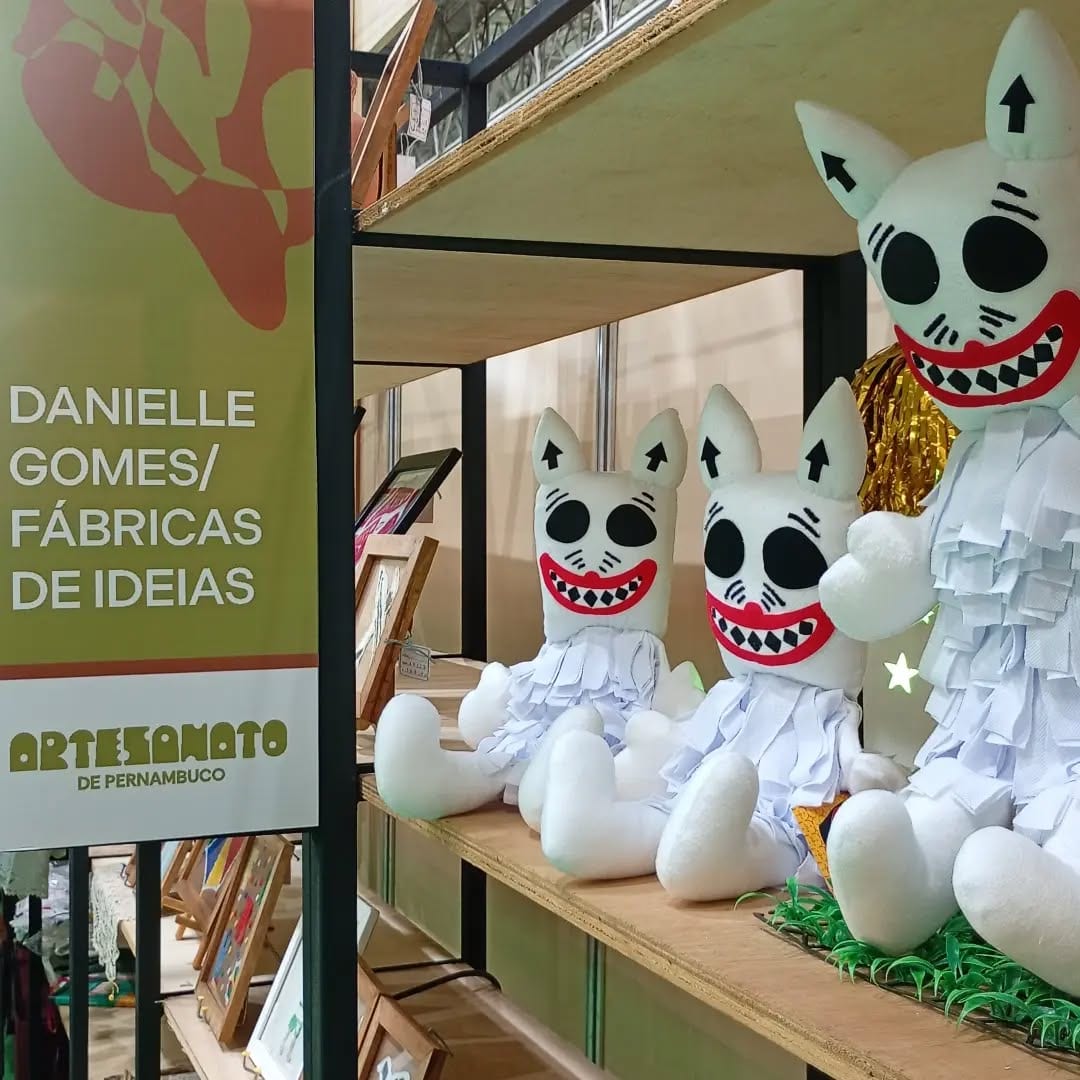
My experience with Fábrica de Ideias showed me that the Circular Economy in everyday life is not a distant, theoretical concept. It happens in the hands of women who turn waste into dignity. Closing the materials loop is, above all, opening paths to a future free of violence and with social justice.
How many resources that we call "trash" are being thrown away today in your city, while thousands of women remain trapped in violence for lack of a financial opportunity? What is stopping us from connecting these two ends and replicating initiatives like this one in every corner of Brazil?
Alinye Amorim. A computer engineer from UFSCar with a postgraduate degree in Marketing from ESPM, she left the traditional corporate market for the mission of regenerating the planet. Partnerships Manager at the Circular Movement for four years, she devotes her experience to building ecosystems that make the Circular Economy a tangible reality. She is a scout and is committed to "leaving the world a little better than she found it".
*This text was automatically translated with the help of artificial intelligence and reviewed. Still, there may be slight differences compared to the original version in Portuguese.
This content stays open because many people support it.
The Círculo do Movimento brings together those who give every month, from R$ 17.
Cancel whenever you want, in one click.
citar este artigo
ALINYE AMORIM, CIRCULAR MOVEMENT. From scraps to autonomy: when circularity transforms lives. Movimento Circular, October 8, 2026. Available at: https://movimentocircular.io/en/blog/from-scraps-to-autonomy-when-circularity-transforms-lives.
Your organization already has a circular agenda. What is its next step?
See how to take part