
artigo ·Fundamentals
Magalu’s Electronic Drive sends 87 tons of waste for recycling in São Paulo
Carried out in partnership with Circular Movement, the Magalu initiative combined teacher training, community mobilization and reverse logistics to expand the proper disposal of electronics.
· 7 min de leitura
By Arlene Carvalho, Circular Movement
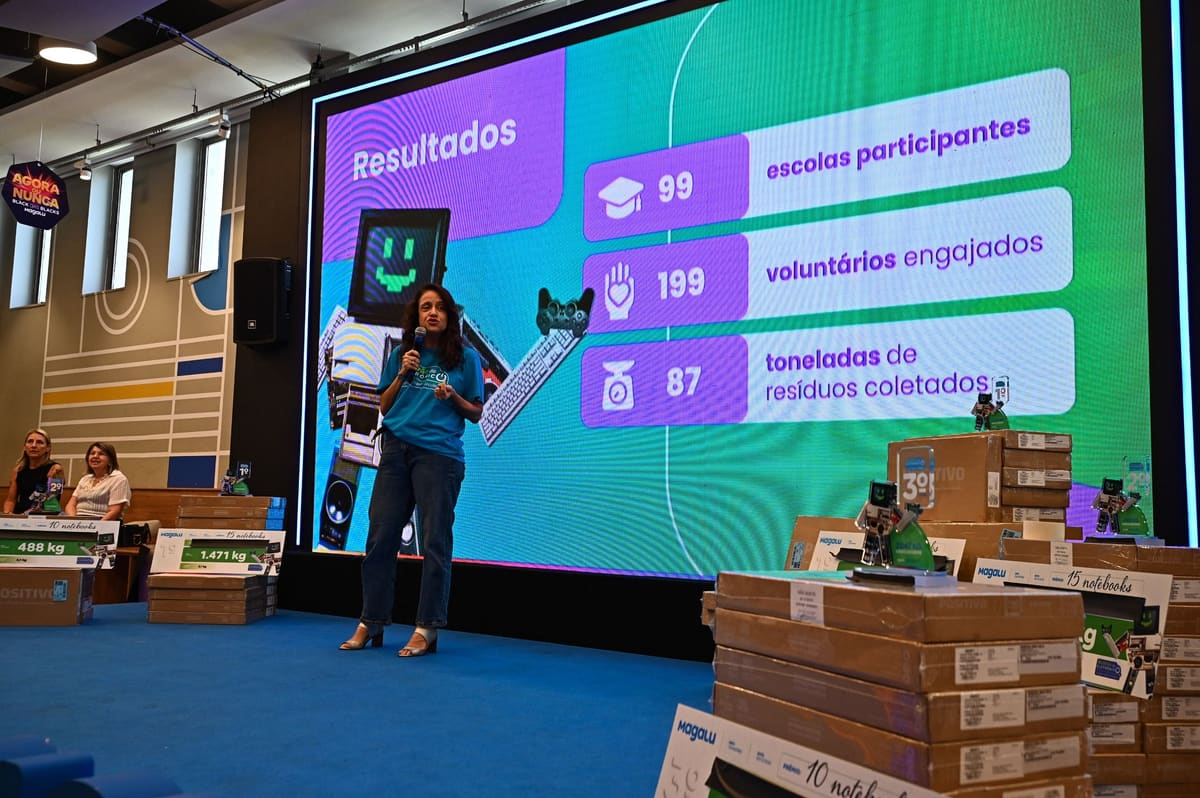
Magalu, in partnership with Circular Movement, concluded the 2nd edition of the Electronic Drive in São Paulo with a historic result: 87 tons of electronic waste collected and properly sent for recycling. This number represents not only an operational milestone, but the consolidation of an educational and community process involving educators, volunteers, partner organizations and thousands of students.
A total of 99 educational institutions from different neighborhoods in São Paulo’s North Zone took part in the initiative. Over three months, schools mobilized their communities around a common goal: to keep electronics circulating and ensure appropriate disposal of items no longer in use.
In addition to the partnership with Circular Movement — which developed a training stage on Circular Economy for educators, coordinators and students — the Drive also involved the Brazilian Association for the Recycling of Electrical and Electronic Equipment (ABREE), responsible for collecting and processing the materials, the São Paulo State Department of Education through the Regional Teaching Unit North 2, the Paula Souza Center, Netshoes, Positivo Tecnologia, and the Women of Brazil Group – São Paulo.
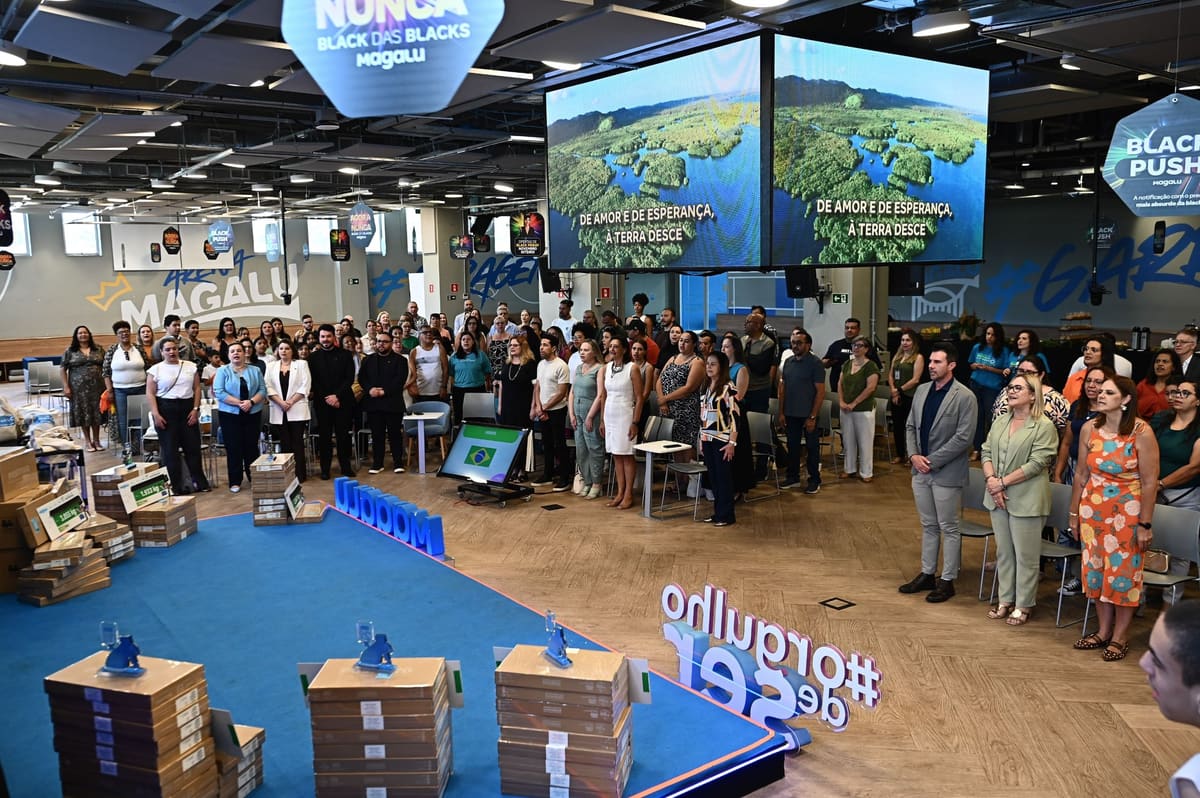
The journey included six stages: training educators and coordinators; engaging students and the community; participation of Magalu volunteers in the schools and student ambassadors of circularity; collection of electronic devices; and finally, proper disposal carried out by ABREE.
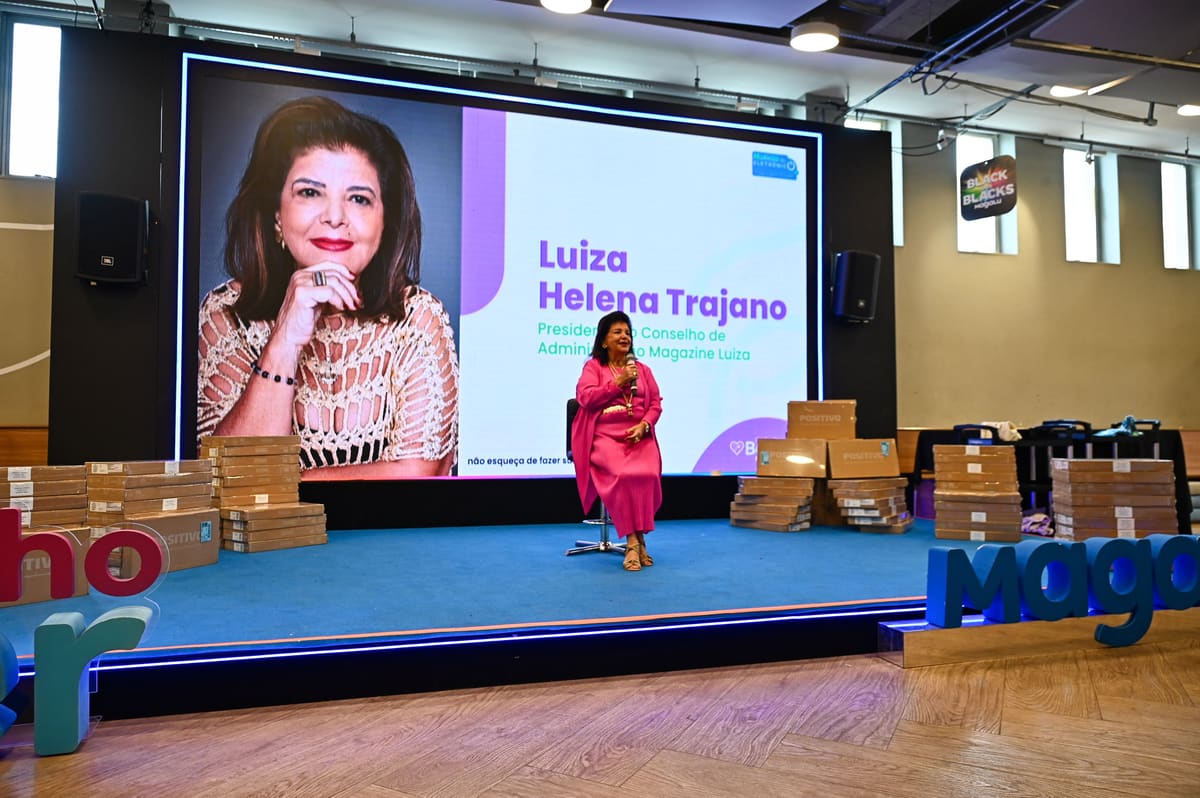
For Natália Proença, environmental impact coordinator at Magalu and leader of the 2025 edition of the Drive, the training pathway developed by Circular Movement — contracted by Magalu specifically for the initiative — showed how closely education and impact go hand in hand:
“The results were extraordinary, both in student engagement and in the volume collected. And the educational support from Circular Movement was essential for the success of the Drive. The training pathway ensured that schools were prepared for the collection stage, understanding Circular Economy and recycling concepts,” she says.
Vinicius Saraceni, General Director of Circular Movement, highlights that the amount collected reveals an even greater potential for the coming years. According to him, initiatives like the Electronic Drive show that circularity is strengthened when different sectors unite around a shared purpose.
“Saying we are happy with the outcome is an understatement. Every number exceeded our expectations and demonstrated that, when the collection is embedded in a meaningful context, educational and environmental impact multiplies. The Drive reinforces that the Circular Economy is only achieved through collaboration - between schools, partners and communities. And it was precisely this unity that made the project so powerful,” he states.
For Roju Santana, project manager at Circular Movement, the strength of the Drive lies in the combination of training, mobilization and practical action, which transforms schools into hubs of circularity and environmental awareness. She explains that the engagement of school communities shows that education is the basis of transformation:
“The Electronic Drive demonstrated remarkable mobilization capacity and impact. Through daily contact with the schools, I realized that the main motivation wasn’t the award itself, but the possibility of engaging the entire school community around a collective cause, with benefits for society as a whole,” she says.
Edson Grandisoli, ambassador and pedagogical coordinator at Circular Movement, reinforces the importance of training educators:
“The training stage is essential, as it expands knowledge and understanding of key points related to Circular Economy and responsible waste management, opening doors for different pathways of action that align with each school’s reality.”
As the entity responsible for collection and processing, Robson Esteves, President of ABREE, emphasizes that joint work between the public sector, private sector and society is essential to consolidate reverse logistics for electronics in Brazil, ensuring materials reenter the production chain safely and responsibly.
“When government, private sector and civil society work together, we can ensure that electronic waste returns to the production chain with safety and efficiency, reducing environmental impacts and promoting the Circular Economy. Initiatives like this show that change truly happens when it reaches communities and transforms everyday habits,” he says.
Award-winning schools
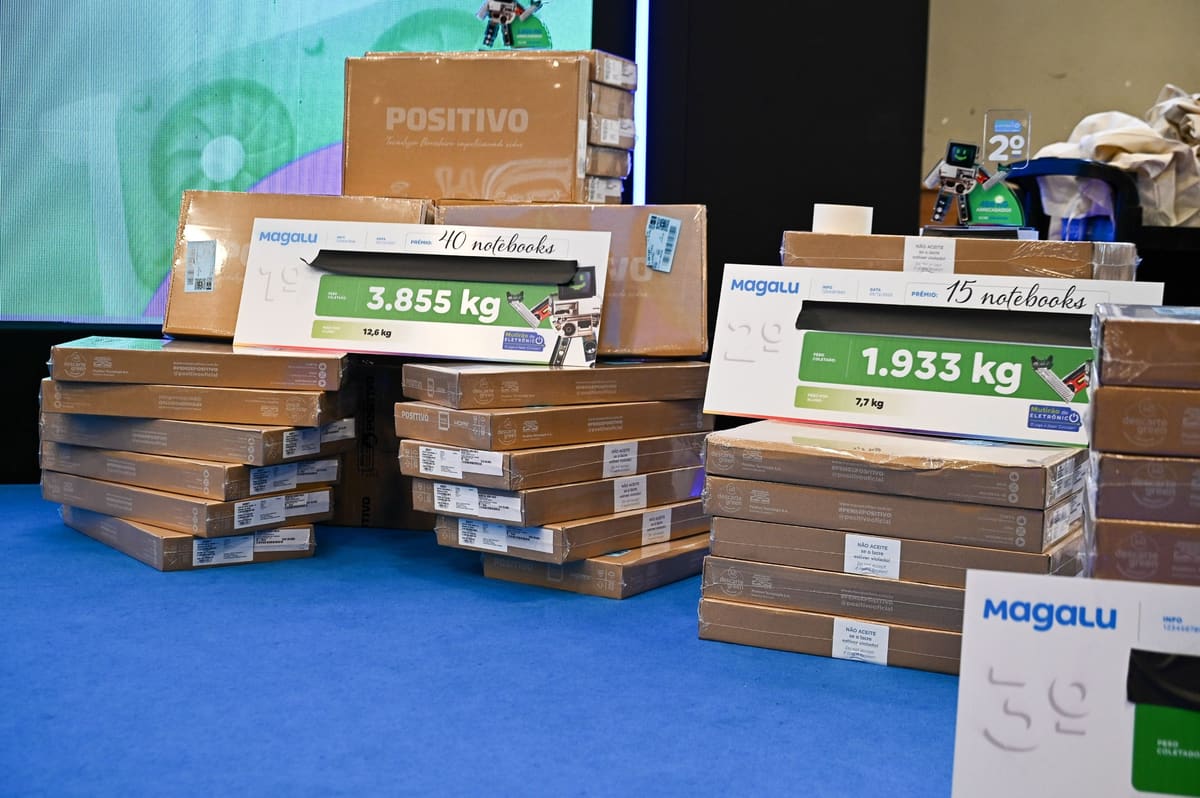
Magalu established three separate podiums: one for state schools, one for private schools and one for technical schools (ETECs). Among state schools, the Gold medal went to E.E. Francisco Voccio, which collected 3,855 kg, totaling 12.6 kg per student. Pedro Miranda Carneiro, principal of the school, which received 40 notebooks, highlights the importance of expanding knowledge:
“We realized through the Drive that there is still much to learn about sustainability and electronic waste. I believe the topic should be part of the curriculum and academic content, and included in the São Paulo State curriculum. This was the beginning of a transformation in how our students and the community think,” he explains.
In the same category, Silver went to E.E. Doutor Sócrates Brasileiro, with 1,933 kg and an average of 7.7 kg per student, winning 15 notebooks; and Bronze went to E.E. Prof. Maria Antonietta de Castro, which collected 2,047 kg, reaching 5.8 kg per student, and received 10 notebooks.
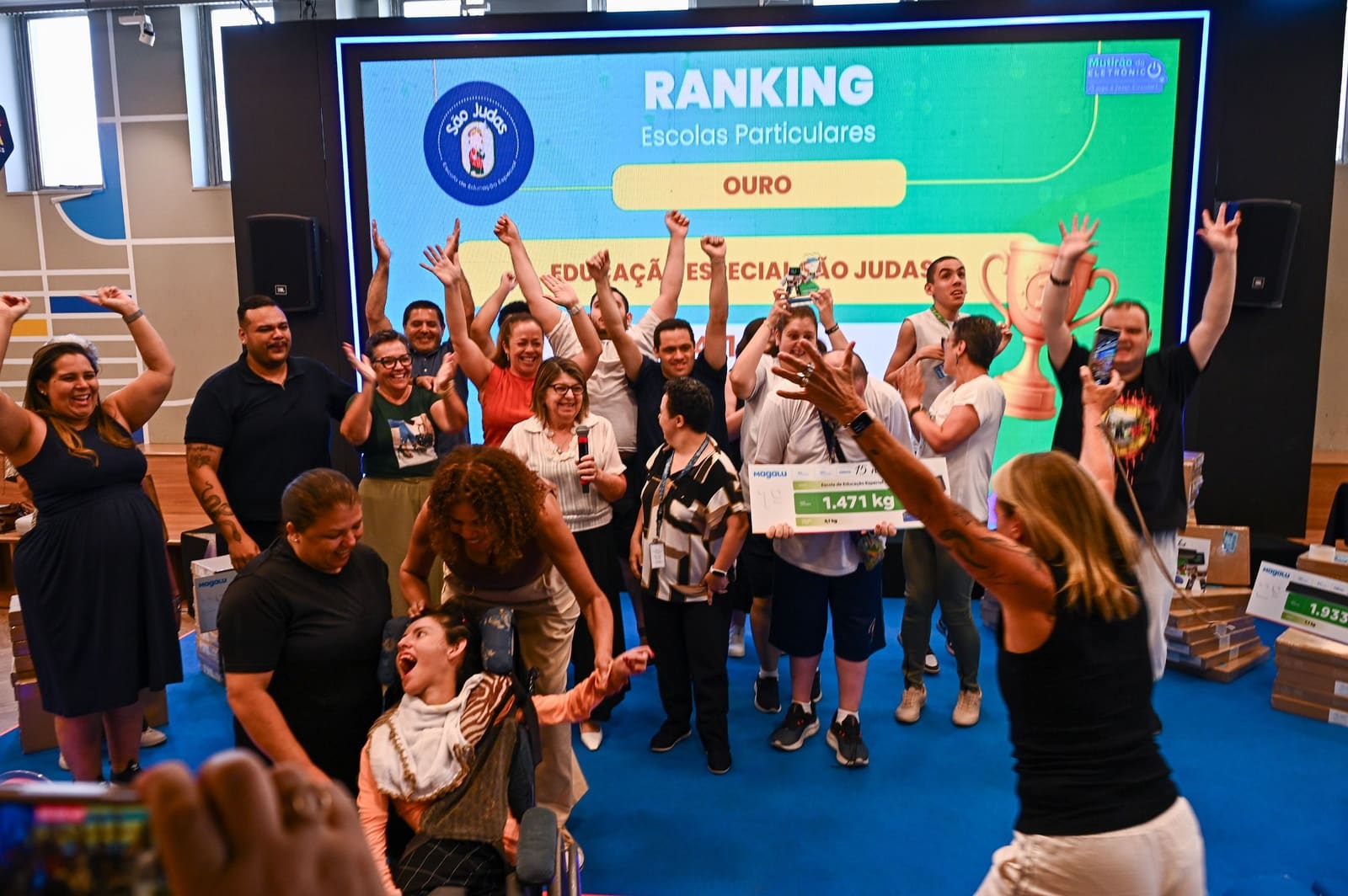
Among private schools, Gold was awarded to the São Judas Special Education School (featured in the main photo of this report), which collected 1,471 kg, averaging 9.2 kg per student, and received 10 notebooks. Antoinette Simão, the school’s administrator, says participating in the Drive was challenging, but the results were surprising:
“We are very grateful to Magalu for everything they provided our students. What we experienced at school was unity, which makes all the difference in any area — but especially in education,” she says.
Silver went to Colégio Escalada, which collected 489 kg, equivalent to 6.1 kg per student, and also received 10 notebooks.
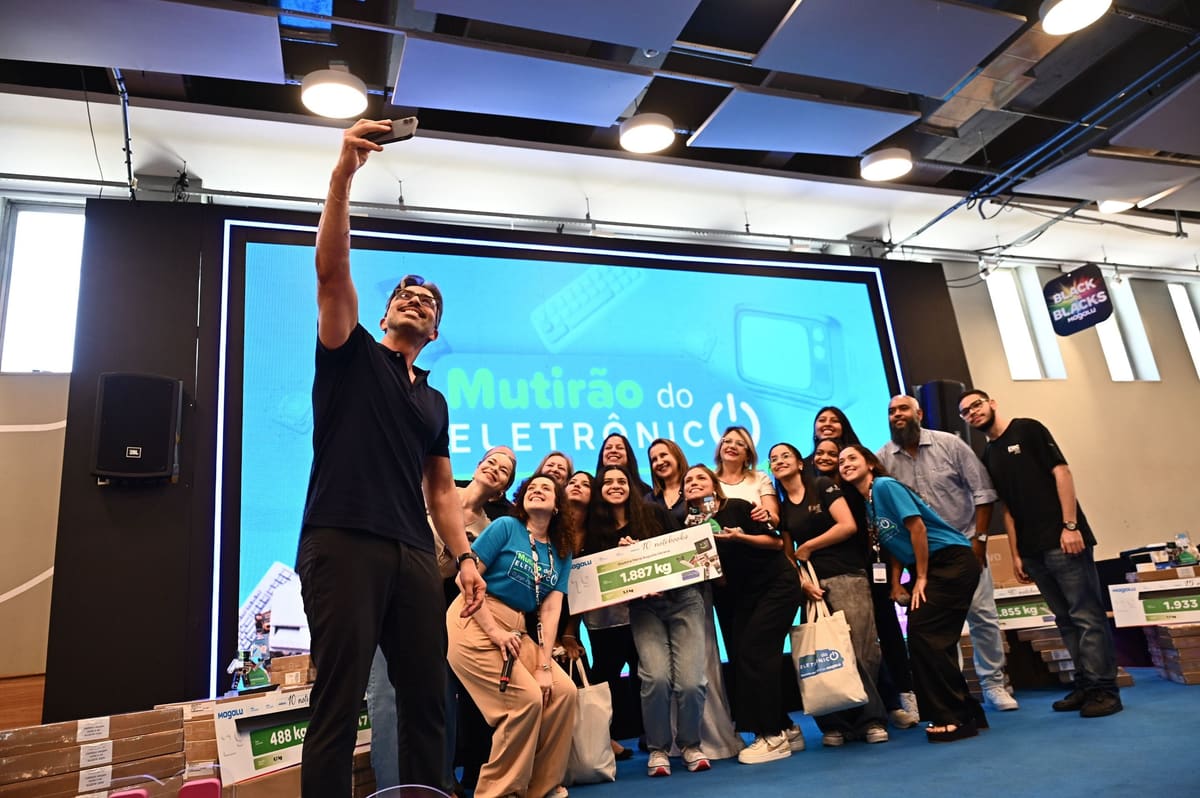
Among the ETECs, the highlight was ETEC Dr. Maria Augusta Saraiva, winner with 1,887 kg, an average of 3.4 kg per student, and awarded 10 notebooks. Renato Souza, superintendent of the institution, comments on the learnings enabled by the Drive:
“We learned a great deal about circular economy and the power it has in education and in training new professionals. Our ETEC is a technical vocational school, and bringing this subject into students’ general education was essential,” he explains.
Dedicated volunteers
A total of 199 Magalu volunteers contributed directly to engaging the participating schools and communities, being present in the institutions throughout the campaign. The most dedicated were honored.
Real impact
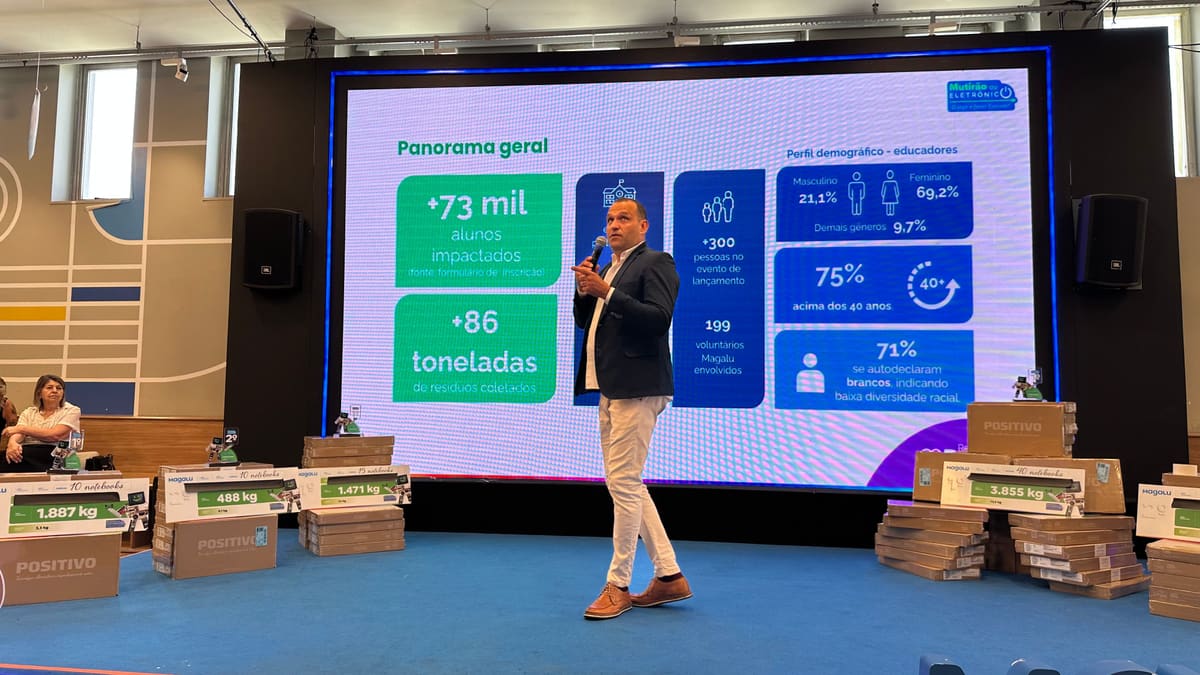
In addition to the 87 tons of waste properly processed, the Drive left a significant educational and socio-environmental legacy. A total of 73,000 students were impacted, over 290 educators were certified as Ambassadors of Circularity, and the training stage reached a 94% approval rating among participants.
The mobilization showed that the Circular Economy goes beyond theory and materializes through concrete actions. And it revealed that cultural change around the disposal of electronics and other materials can be built continuously. The first edition of the Drive, held in 2024 in Franca, demonstrated the great mobilization potential of schools and communities. The second edition, in São Paulo’s North Zone, significantly expanded these results, with an even greater educational impact.
The progress between the two editions shows that when circularity becomes part of daily life, awareness expands, participation grows, and recycling becomes a natural pathway. By bringing theory and practice closer together, the Drive reinforces the urgency of transitioning from a linear consumption model to a more responsible relationship with resources — a principle embedded in the DNA of Circular Movement and aligned with Magalu’s commitment to reverse logistics.
*This text was automatically translated with the help of artificial intelligence and reviewed. Still, there may be slight differences compared to the original version in Portuguese.
Watch the 2025 Electronic Drive recap video:
This content stays open because many people support it.
The Círculo do Movimento brings together those who give every month, from R$ 17.
Cancel whenever you want, in one click.
citar este artigo
MOVIMENTO CIRCULAR. Magalu’s Electronic Drive sends 87 tons of waste for recycling in São Paulo. Movimento Circular, December 5, 2025. Available at: https://movimentocircular.io/en/blog/magalu-s-electronic-drive-sends-87-tons-of-waste-for-recycling-in-sao-paulo.
Your organization already has a circular agenda. What is its next step?
See how to take part