
artigo ·Fundamentals
Circularity in practice: how Japan develops leaders for the circular transition
How Japan integrates culture, business, and public policy into the circular economy through AOTS programs and the Japan Immersion – Circular Experience 2026.
· 3 min de leitura
*By AOTS Japan
Throughout its history, Japan has built a unique relationship with the efficient use of resources, combining cultural tradition, technological innovation, and consistent public policies. More than a technical concept, the circular economy in the Japanese context is expressed as a practice embedded in the daily routines of organizations, production systems, and local communities.
It is from this understanding that AOTS – The Association for Overseas Technical Cooperation and Sustainable Partnerships develops training programs aimed at international leaders. Since 2024, the organization has held in Japan the Program on Transforming to Circular Economy Business Models, an annual initiative that brings together approximately 20 to 25 executives and managers from developing countries, representing sectors such as manufacturing, banking, services, and consulting.
The program’s objective is to deepen participants’ understanding of the circular economy, provide practical tools to strengthen circularity in business, and present Japanese examples of business models guided by these principles. Throughout the training, participants develop a concrete vision of how the transition to circular models can be implemented within their own organizations.
It is within this same spirit of applied learning and intercultural exchange that the Japan Immersion – Circular Experience 2026 takes place, developed in partnership with Movimento Circular. The experience will be held from May 24 to 30 and connects Brazilian leaders, entrepreneurs, and public managers with reference Japanese ecosystems, expanding their contact with business practices, public policies, culture, and territory.
Over seven days, the immersion offers an intensive experience aligned with the principles addressed in AOTS programs, while also broadening participants’ perspectives through complementary experiences adapted to the Brazilian context.
Cities as learning ecosystems
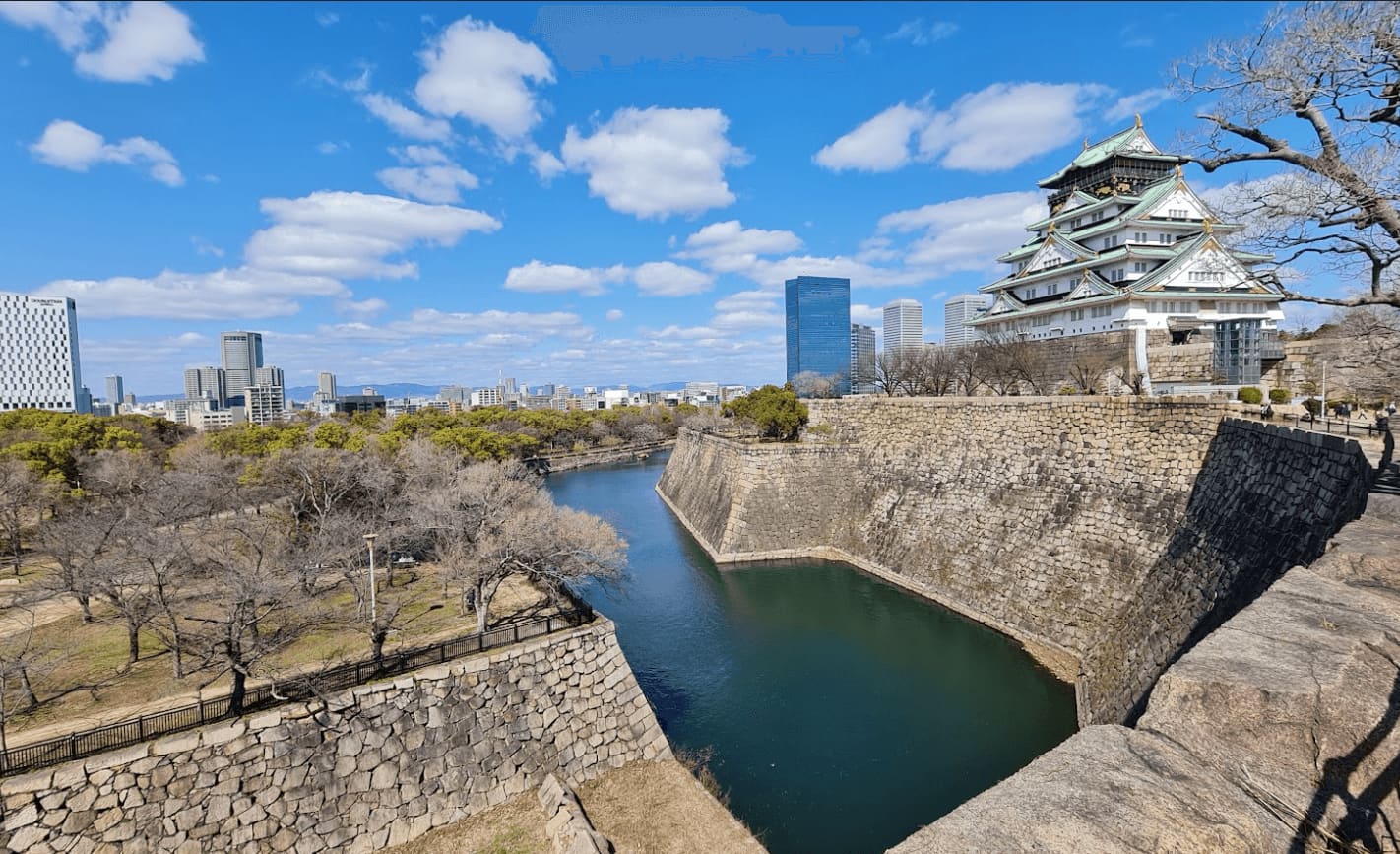
Within the Program on Transforming to Circular Economy Business Models, cities such as Tokyo, Osaka, and Kyoto play complementary roles. Tokyo, as the country’s capital and economic center, represents a hub of innovation and public policy coordination. Osaka, historically shaped by its merchant culture, highlights pragmatic solutions driven by entrepreneurship and business efficiency. Kyoto demonstrates how tradition, cultural heritage, and sustainability can coexist, integrating ancestral knowledge with contemporary practices.
For the Japan Immersion – Circular Experience, the itinerary was expanded to include Kamikatsu, incorporated as an exclusive experience within this journey. Unlike large urban centers, Kamikatsu stands out as an emblematic example of community-driven circularity. Internationally recognized for its zero-waste policies, the city shows how collective engagement, social organization, and local governance can enable a more circular society in practice.
Culture, behavior, and long-term vision
Throughout these experiences, a recurring lesson emerges among international participants: in Japan, the circular economy is not treated as an isolated or exceptional concept, but as a natural part of business practices and everyday life. This integration is grounded in cultural values such as mottainai, the practice of the 3Rs (reduce, reuse, recycle), and a long-term vision that dates back to periods prior to modern industrialization, now combined with advanced technologies.
Experiencing this context makes it clear that systems, technologies, and policies are essential, but insufficient without considering the behaviors, values, and social norms that sustain change. For leaders and managers from other countries, this understanding enhances their ability to adapt solutions to local realities while respecting different cultural and institutional contexts.
____________________________________________________________________________________
*About AOTS
The Association for Overseas Technical Cooperation and Sustainable Partnerships (AOTS) is a Japanese human resource development organization founded in 1959. AOTS promotes international technical cooperation and sustainable economic growth through training programs in Japan, the dispatch of experts abroad, and other initiatives carried out in partnership with governments, public institutions, and the private sector in multiple countries.
*This text was automatically translated with the help of artificial intelligence and reviewed. Still, there may be slight differences compared to the original version in Portuguese.
This content stays open because many people support it.
The Círculo do Movimento brings together those who give every month, from R$ 17.
Cancel whenever you want, in one click.
citar este artigo
MOVIMENTO CIRCULAR. Circularity in practice: how Japan develops leaders for the circular transition. Movimento Circular, February 12, 2026. Available at: https://movimentocircular.io/en/blog/circularity-in-practice-how-japan-develops-leaders-for-the-circular-transition.
Your organization already has a circular agenda. What is its next step?
See how to take part